
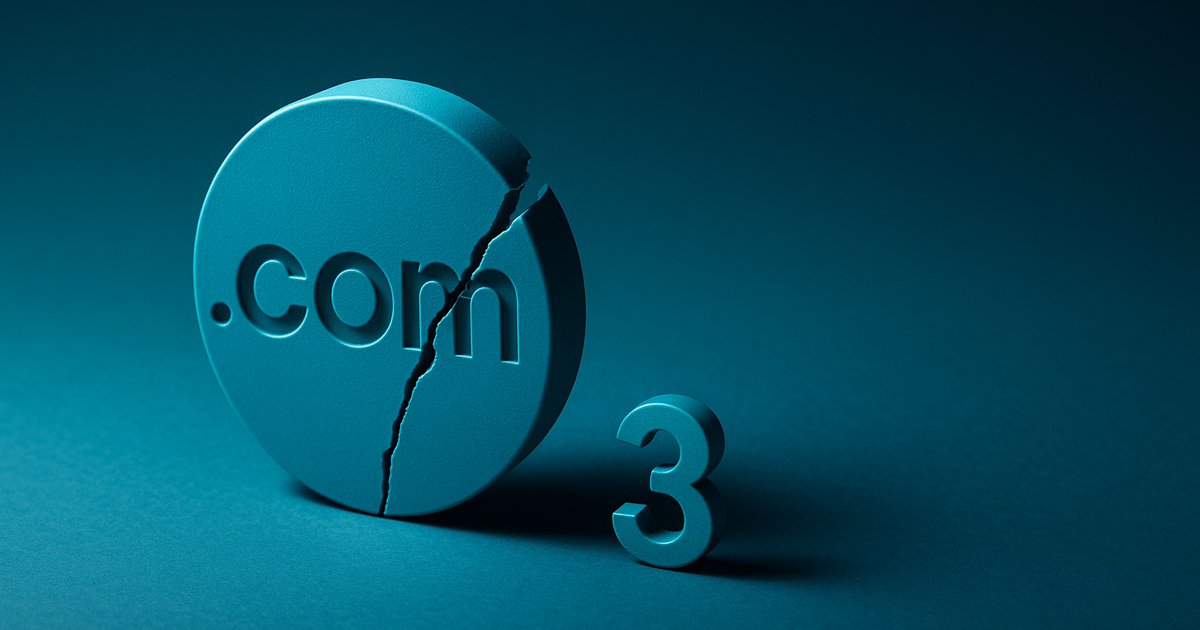
Do Hyphens and Numbers Hurt Your Domain's Value?
Hyphens and numbers can quietly weaken a domain's memorability, trust, and SEO. Here's how they affect your domain's value — and what Atlanta brands should do instead.
You found the perfect name for your Atlanta business, but the clean version of the domain is already taken. So you start improvising. Add a hyphen. Drop in a number. Suddenly atlantabakery.com becomes atlanta-bakery.com or atlantabakery1.com. It feels close enough, right?
Not quite. When it comes to hyphens, numbers, and domain value, those small characters carry a bigger cost than most business owners expect. They can chip away at memorability, weaken trust, and make your brand harder to share out loud — the exact things a premium domain is supposed to protect.
Let's break down what actually happens when you add hyphens or numbers to a domain, when (if ever) they're acceptable, and what smarter path Atlanta brands should take instead.
The Short Answer: Yes, They Usually Hurt
In most cases, hyphens and numbers lower the value of a domain. Not because of a secret Google penalty, but because of something more human: they make your web address harder to remember, harder to say, and easier to get wrong.
A premium domain is an asset. Its worth comes from how easily people can find it, recall it, and trust it. Anything that adds friction to that process reduces the value. Hyphens and numbers are friction.
That doesn't mean every hyphenated or numbered domain is worthless. It means you should understand the tradeoffs before you commit your brand to one for the next decade.
Why Hyphens Weaken a Domain
Hyphens seem harmless on a screen. The problem shows up the moment your domain leaves the screen and enters the real world — on a phone call, a radio ad, a networking introduction, or a word-of-mouth referral across metro Atlanta.
They fail the spoken test
Say it out loud: "Visit atlanta-design-studio dot com." Now you have to explain that there are dashes between each word. Every hyphen is an extra instruction the listener has to remember and type correctly. Compare that to a clean name that just sounds like what it is.
This is exactly the kind of stumble we cover in the "Say It, Spell It" test for memorable Atlanta domains. If a domain can't survive being spoken aloud without extra explanation, it's costing you referrals.
They invite lost traffic
Here's a common scenario. You buy atlanta-decor.com, but someone else owns atlantadecor.com. Every customer who forgets the hyphen — and many will — lands on your competitor's site instead of yours. You've essentially paid to send free traffic to another business.
They signal "second choice"
Experienced internet users have learned a subtle lesson over the years: the hyphenated version is often the one you settle for when the real name was taken. Fair or not, a hyphen can quietly suggest that your brand wasn't first in line. For a business trying to look established and premium, that's the wrong impression.
They've been overused by spam
Long, multi-hyphen domains were a favorite trick of low-quality and spammy sites for years. That history means strings like best-atlanta-home-decor-deals.com can read as untrustworthy to both people and search engines. Google's own guidance encourages simple, human-readable URLs, and a pile of hyphens works against that principle.
Why Numbers Create Confusion
Numbers introduce a different, sneakier problem: ambiguity. When people hear a number, they don't always know how to type it.
- Digit or word? Is it atlanta4homes.com or atlantaforhomes.com? When you say "Atlanta four homes," listeners genuinely can't tell.
- Where does it go? Numbers at the start, middle, or end all read awkwardly and are easy to misplace.
- Does it look dated? A number tacked on to escape an unavailable name (like atlantadesign2.com) often looks like a placeholder rather than a brand.
There are narrow exceptions. A number that's genuinely part of the brand name — think a well-known "24" in a 24-hour service, or a number with real meaning to your identity — can work if it's obvious and easy to spell. But adding a number simply to grab an available variation almost always weakens the name.
The SEO Question: Does Google Care?
Let's clear up a myth. Google does not directly penalize a domain just for containing a hyphen or a number. Search rankings are driven by content quality, authority, user experience, and relevance — not by punishing punctuation.
But the indirect SEO effects are real:
- Fewer direct visits. When people can't remember or type your domain, you lose direct traffic — a signal of brand strength.
- Weaker word-of-mouth. Hard-to-share domains get shared less, which limits natural links and mentions.
- Lower click confidence. A clean domain in search results looks more trustworthy, which can lift click-through rates.
So while the algorithm won't dock you points, the human behavior around a clumsy domain quietly drags down the exact signals that help you rank. For a deeper look at how domain quality supports discovery, our post on 7 traits that make a domain name truly premium connects the dots.
When a Hyphen or Number Might Be Acceptable
Rules have exceptions. A hyphen or number won't sink you if:
- It's part of an established, recognized brand. If your business is already known by a name that includes a number, consistency matters more than purity.
- It genuinely improves clarity. Rarely, a single hyphen prevents an awkward letter collision that would otherwise create an unintended word.
- It's a temporary placeholder while you pursue the clean version. Just don't build years of brand equity on it.
Even then, treat these as compromises — not ideals. The goal is always a name that's clean, confident, and effortless to pass along.
What Atlanta Brands Should Do Instead
If your first-choice domain is taken, resist the urge to bolt on a dash or a digit. You have better options that protect your domain's value and your brand's reputation.
Rework the wording
Try a different, still-relevant phrasing. Add a natural word, flip the order, or lead with your neighborhood or specialty. A geo-focused twist — like weaving in "Atlanta," "ATL," or a district name — can produce a clean, brandable result that also reinforces local SEO.
Prioritize the .com
A clean .com almost always beats a hyphenated or numbered version on a different extension. We explain why in why .com still adds premium value to your brand. When you have to choose, a shorter, cleaner .com wins for trust and recall.
Weigh length against clarity
Sometimes a slightly longer, fully-spelled domain beats a short one crammed with numbers. Our guide on short vs. long domains and memorability can help you find the balance.
Think of it as an investment
A clean, exact-match domain isn't just an address — it's equity. As we cover in how brand equity turns a domain into a business asset, the right name appreciates in value and strengthens everything you build on top of it.
The Bottom Line
Hyphens and numbers rarely make a domain better. They make it harder to say, easier to mistype, and quicker to forget — and in a competitive Atlanta market, forgettable is expensive. The strongest brands, whether they're interior designers, home-decor studios, restaurants, or professional firms, are built on names that flow off the tongue and land correctly the first time.
Your domain is the front door to your entire digital identity. It should match the polish of your work and the reputation you've earned across metro Atlanta — no dashes, no digits, no second-guessing. If your ideal name feels like a stretch, the smarter move is to find a clean, memorable premium domain that fits your aesthetic and your city.
Ready to claim one? Browse available Atlanta domain names and secure a web identity as confident and unforgettable as your brand.